We still have a few months to go before the grass comes out and hay is ready to be cut. Winter is the most challenging time to keep horses healthy, and the most expensive when considering the added expense of hay.
Over the years, I’ve had a lot of my own horses to feed. At one point in time, we had not quite five acres of pasture and seven horses. When you work a regular job and have that many horses to feed hay to, you figure out ways to keep them fed well on a short budget.

The first rule of thumb is don’t forget to keep up with worming and teeth schedules. You can feed a ton of the best hay and feed in the world, but if your horse isn’t actually digesting it because they can’t chew or they have a heavy parasite load, you’re wasting your money because they’re not actually utilizing it. Be sure to look at these two things first when reviewing your management program for the winter.
Colic and Dehydration
One of the biggest challenges during freezing temperatures is getting horses to drink. It’s also the most common time for colic from impaction due to dehydration. Feeding soaked cubes or beet pulp is a great option as it adds water to their digestive tract in addition to providing a forage source.
While folks will often advise feeding salt or electrolytes, I have found that doesn’t always work – especially in cases where a horse might have an undetected gut, stomach, or tooth issue going on. I’ve added salt and wound up with a horse at the vet school for a week from getting dehydrated even quicker. I will keep a salt block or loose plain salt out so that they horse can self-regulate how much they need, but I don’t add salt to their feed.
If you do a search on beet pulp and cubes, you’ll find several articles that state neither have to be soaked. I personally have had a horse choke on a palm full of beet pulp shreds so I always soak them both. Tooth issues make a horse more prone to choke. Not all tooth issues are easy are outwardly detectable. In my opinion, it’s better horsemanship to err on the side of caution and just soak.
To soak cubes and beet pulp shreds, I cover them in an inch of water and let them soak at least thirty minutes if the water is cold. If the water is hot, fifteen minutes will work. Ideally, I like to let the mix soak for at least eight hours so that the cubes get soft.
One thing that I’ve learned is that if you soak the cubes overnight by themselves, they break up completely. If you soak them with the beet pulp shreds, the cubes still get soft but they don’t disintegrate as well.
If you’re in severely cold weather, you’ll want to either soak with hot water for a few minutes, or take your feed tub into a heated environment so that it doesn’t freeze. If neither of those options are doable, feeding Chaffhaye might be a good option. Chaffhaye is fermented chopped hay. It contains probiotics that are beneficial to digestion and it does not require soaking and can help with weight. Another option would be adding a natural oil like Cocosoya to your to help keep their gut moving. Oils are high in fat and will help replace calories lost maintaining body heat.

Shreds and Cubes –vs- Pellets
Availability plays a big role in whether I feed shreds and cubes or pellets. I like the beet pulp shreds and alfalfa cubes better than the pelleted form for horses without teeth problems just because they’re bigger in size which means they’re less likely to get compacted in the digestive tract. There have been years where pellets were the only option and I’ve fed those as well after soaking. I will say that the pelleted beet pulp does require a longer soaking period than the shreds. For older horses that lack teeth, pellets may be a much better option – just remember to soak!
Benefits
Most articles will tell you that you can replace up to a third of hay with beet pulp. Cubes can replace hay pound per pound. Both make a great option for stretching your hay supply. While hay may be cheaper, if you’re limited on hay storage or getting a consistent supply, cubes and beet pulp are an affordable option.
One thing I’ve noticed is that horses get slower on their hay when they’re fed beet pulp than they do when they’re fed just cubes. The drawback is that beet pulp doesn’t have the same level of nutrients as alfalfa cubes do, so if you’re worried about them getting their required nutrients but need to stretch your hay supply, you might want to consider feeding both.
Weight Issues
While beet pulp if often recommended for weight gain, I’ve always had much better weight and topline results by feeding alfalfa cubes. Rice bran is also an inexpensive way to add fat for weight gain. Beet pulp can help some with weight in that you can feed less hay, however when it comes to truly hard keepers, I focus more on adding alfalfa cubes and rice bran.
On a side note, if you’re having trouble keeping weight on your horse, you may want to weigh what you’re feeding your horse. Often owners will think they’re feeding the amount that’s recommended on the bag, but when they actually weigh what they’re feeding it’s less. A general rule of thumb is that a 3 quart scoop will hold 3.8 pounds of pelleted feed in most cases. Most of the pelleted feeds on the market today recommend 7-10 pounds for a 1,200 pound horse, and 15-18 pounds if you’re replacing part of their hay.

A horse requires a minimum of 1-1.5% of bodyweight a day in forage. This means that a 1,000 horse needs between 10-15 pounds of hay or another forage source. I’ve found that most hard keepers will require twice that amount even when fed good quality hay. Keep in mind, the lessor the quality of hay the more you’ll need to feed.
Also, pay attention to the weather when you feed. Horses generate body heat from digesting forage. The colder it is, the more hay they need. If the temperature is less than 40 degrees and it’s raining, they need more hay than if it is not raining. If your horse has weight issues, it will be even more critical for them to get enough hay. If your horse is shivering, it’s a good idea to give them more hay as well.
Picky Eaters
If your horse is a hard keeper and slow on their feed, there’s a few things to consider. The first is to make sure they don’t have any teeth issues.
One thing that I have learned over the years with these types of horses is to let their appetite dictate what works. One common thing that I have repeatedly learned by process of elimination is that molasses, beet pulp (including the non-molassas kind) and joint supplements can irritate their gut and cause some horses to go off their feed or get slow on it. I’ve also found that they usually won’t stay on pelleted feeds because they contain beet pulp.
With these types of horses, I usually feed straight oats, flax seed meal, rice bran, and soaked alfalfa cubes along with free choice hay. I’ll add a non-molassas based mineral supplement to cover the rest of the nutritional base.
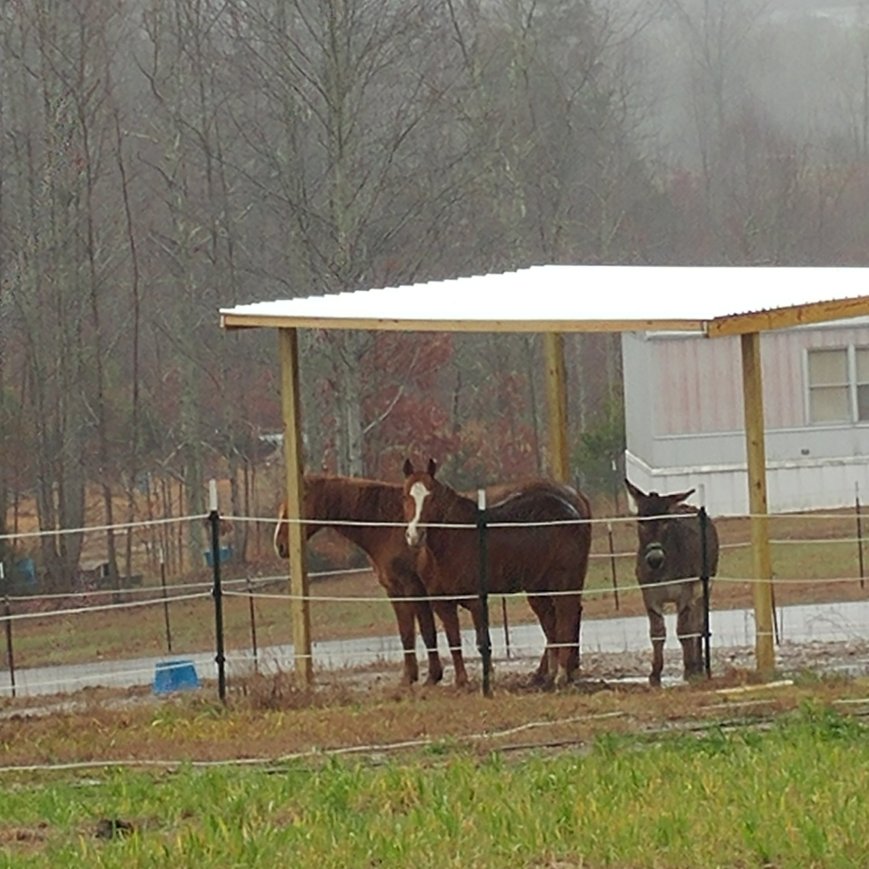
Managing horses through the winter months can be tough, but by implementing a few changes and focusing on keeping them hydrated and their weight up you can make it through with a healthy horse.
What are some of your struggles for keeping your horse fed well during the winter? What are some of your solutions for that?

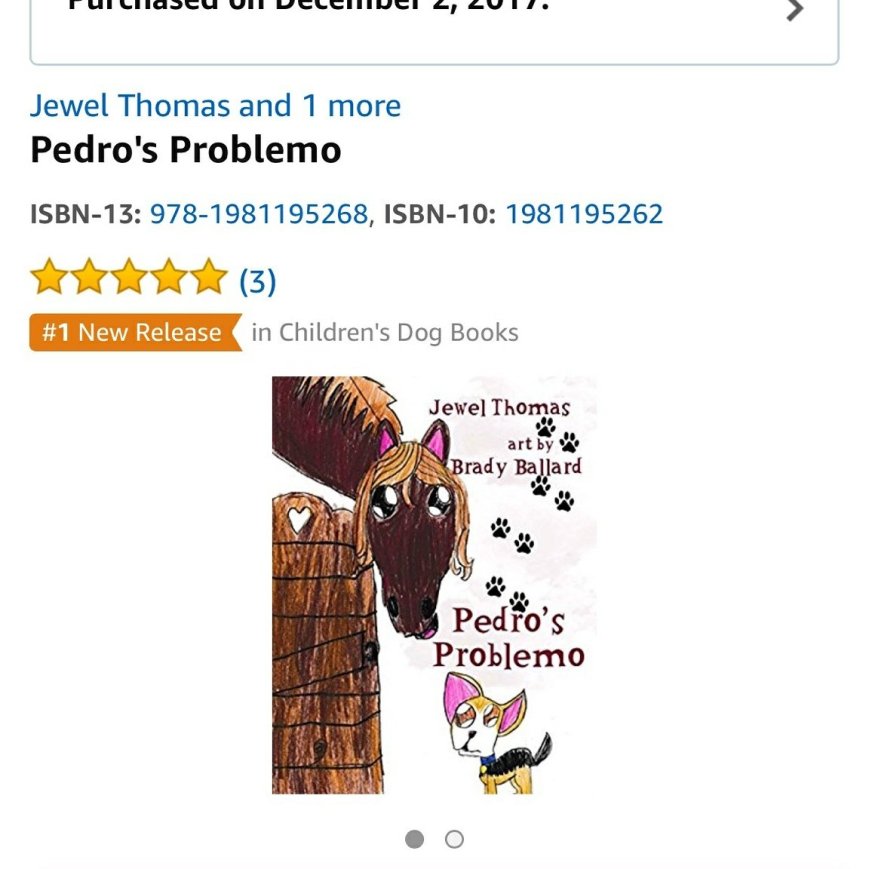 My latest children’s book,
  I’ve been working on edits for the
 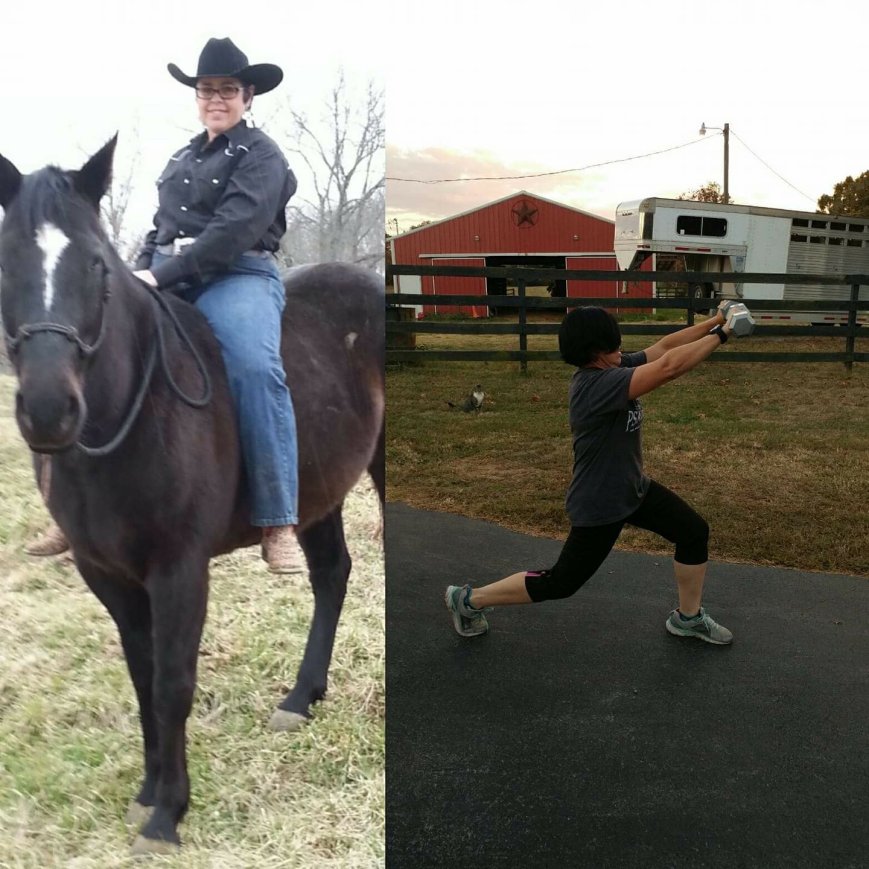 On the personal front, we’re back out at the new farm. These last few months, we were able to get water, electric, and septic hooked up as well as a house and camper pad graded out with gravel. We also got a run in shed built for the horses.
 Another goal is to have healthier feet on my horses. I figure it’s a great time to work on this as they’re not being hauled right now. For years we’ve struggled with Fireman’s feet and soreness. Early last year, I pulled his shoes and we’re working on a natural trim approach. It’s been a slow process and there’s been some trials and errors, but I think I’m finally starting to see some better heel.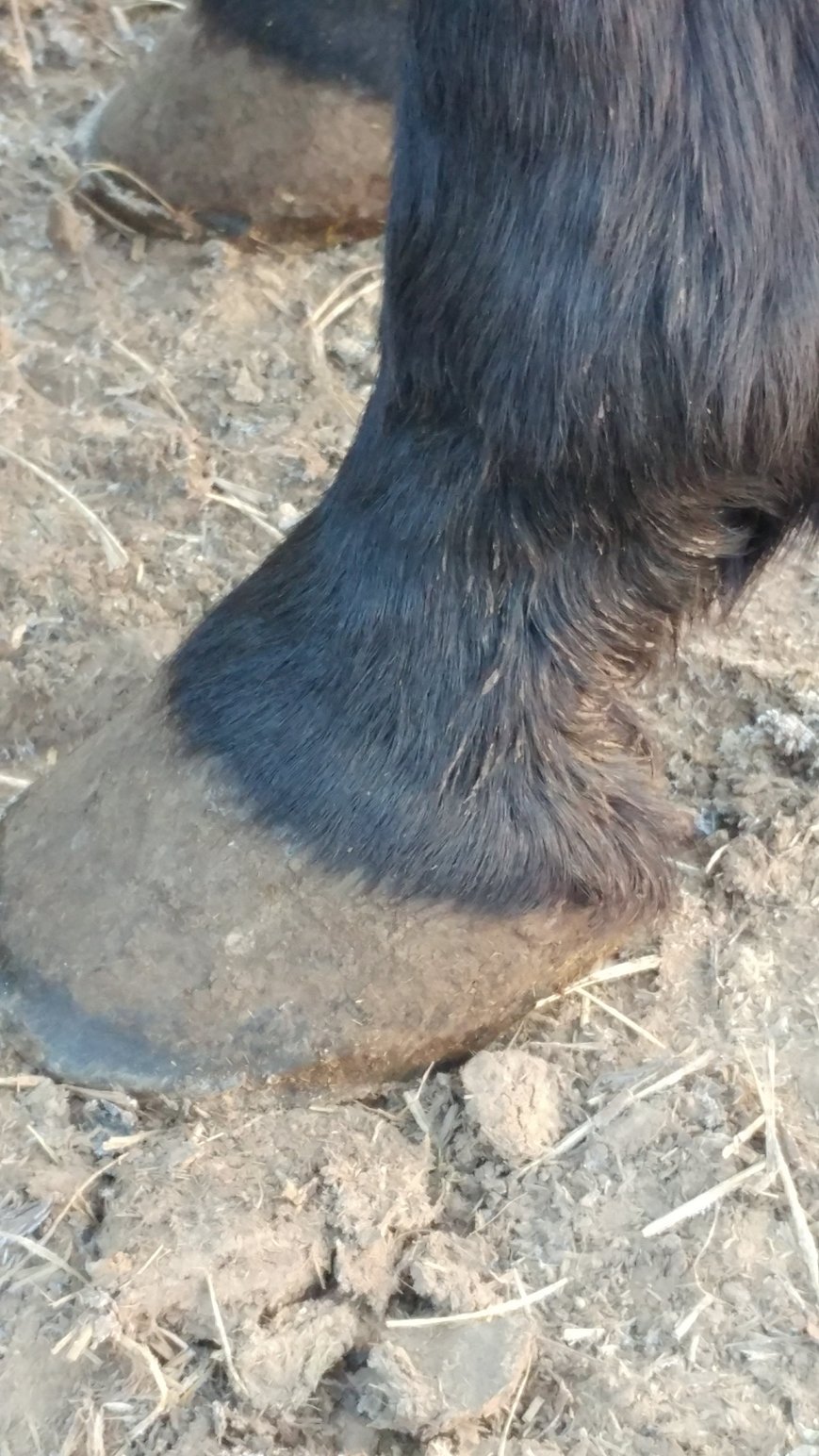


 Cowgirls With Curves